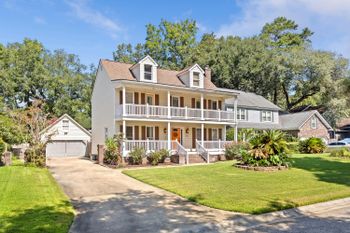
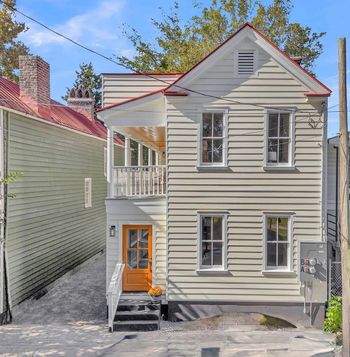
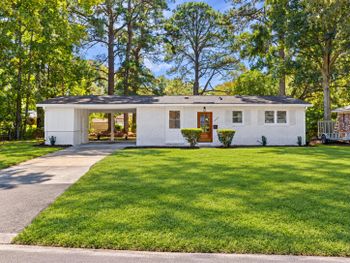
New - 1 Day Ago


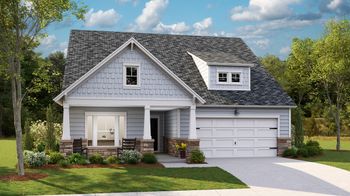
$284,500
Pending
3
Beds
2
Baths
1435
Sqft
0.11
Acres
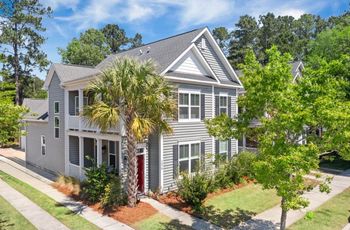
1017 Razor Clam Way, Summerville, SC 29485
MLS#: 26029118



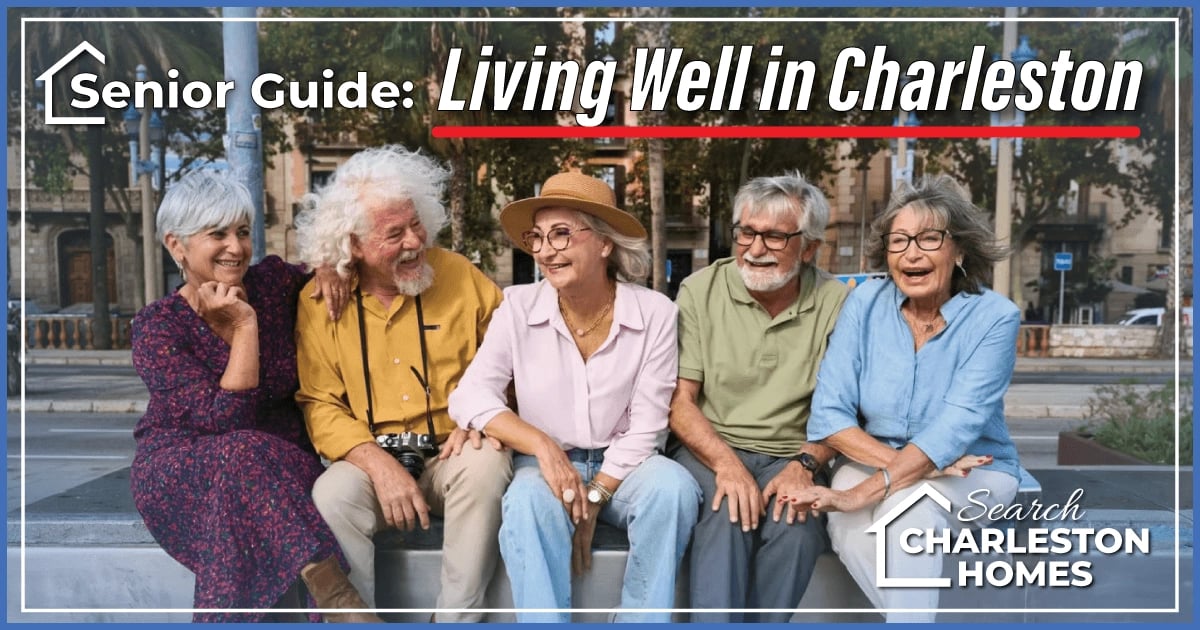
If you are trying to figure out what comes next, you are probably weighing three paths. You can stay in your home and make it safer, buy something smaller, or move to one of the senior living and retirement communities around Charleston where care is part of the plan. Each path works well for the right person. The tradeoff is easy to state and harder to weigh. More built-in care usually means a higher monthly cost, and some campuses also charge a large upfront fee.
We are Team Lail-Chambers with Infinity Realty, and senior housing transitions are the focus of our work. Between us we have more than 40 years of Charleston real estate experience. Below you will find named communities with dated prices and the South Carolina rules that protect you. Use them to compare options before anyone asks for a deposit.
If you are reading this for a parent, you are in the right place too. Many adult children start this research quietly, wondering whether Mom or Dad's house still fits and how to bring it up without causing stress. The questions and comparisons below give you calm, specific language to use together.
"Senior living" covers very different arrangements. The biggest difference is what you own and what you pay for. A 55+ home is real estate you buy. An assisted living suite is a monthly service contract with housing attached.
| Type | Own or rent | Care included | How you pay | Who oversees it in SC |
|---|---|---|---|---|
| 55+ community | You own the home | None | Purchase price, HOA dues, taxes | HOA covenants and federal fair housing rules |
| Independent living | Usually rent | Services such as meals and housekeeping, not personal care | Monthly fee, sometimes a one-time community fee | Depends on the campus |
| Life plan community (CCRC) | Usually a contract, sometimes ownership | Access to assisted living, memory care, and nursing on campus | Entrance fee plus monthly fee | SC Department of Consumer Affairs |
| Assisted living | Rent | Help with daily tasks and medications | Monthly fee that rises with care level | SC Department of Public Health |
| Memory care | Rent | Secured setting with dementia-trained staff | Monthly fee, often above assisted living rates | SC Department of Public Health |
For a statewide benchmark, the CareScout Cost of Care Survey put South Carolina's 2024 median for assisted living at $62,400 a year, or about $5,200 a month. That is a statewide figure, and several Charleston-area campuses below price above it.
We usually suggest families start by naming the care they expect to need in the next five years, not just today. That one answer narrows the list faster than any amenity tour.
A life plan community, also called a continuing care retirement community or CCRC, lets you move in while you are independent and stay as your needs change. Assisted living, memory care, and skilled nursing are on the same campus. You pay for that access through an entrance fee and a monthly fee.
South Carolina regulates these contracts under its Continuing Care Retirement Community Act, and the SC Department of Consumer Affairs licenses each community. The protections are worth knowing before you tour.
The Charleston-area communities on the state's license list are below. Prices are what each community publishes, and they change, so treat them as starting points.
Bishop Gadsden is an Episcopal life care community on James Island, about six miles from downtown. In October 2025, Fitch Ratings counted 283 independent living units and 79 assisted living units. The campus also has a 32-bed memory care unit and 100 skilled nursing beds. Fitch put its weighted average entrance fee for independent living near $737,000. Most residents choose a fully amortizing contract, with 50% and 90% refundable options available.
Franke at Seaside offers both an entrance-fee path and a rental path. As of October 1, 2026, its apartments carry a 50% refundable entrance fee from $247,600, with monthly fees from $3,803. Its Oakside rental apartments skip the entrance fee and start at $3,766 a month, plus a $5,000 administrative fee.
South Bay at Mount Pleasant is on the state's CCRC list but uses a no-entrance-fee rental model. Its all-inclusive monthly fee for independent living starts at $6,135 as of October 2026. Assisted living and memory care are in its Shem Creek building on the same campus.
The Village at Summerville, run by Presbyterian Communities of South Carolina, has the smallest published entrance fee among the communities here that charge one. Entrance fees start at $68,832 as of August 2026. Monthly service fees start at $3,090 for apartments and $3,508 for patio homes.
Seafields at Kiawah Island, from Bishop Gadsden, is a 62+ life plan community near Freshfields Village that finished construction in 2026. Downtown, The Peninsula of Charleston at 609 King Street is under construction with a planned 2028 opening. It is an ownership model, so residents buy their residence instead of paying a traditional entrance fee.
Before you put down a deposit anywhere, ask for the disclosure statement and a sample contract, then read the refund section with your attorney or financial advisor. When the sale of your home is funding the move, we coordinate the timing so the money is ready when the community needs it.
Independent living rentals suit people who want meals, housekeeping, and a social calendar without a buy-in. Assisted living adds hands-on help with bathing, dressing, and medications. Many campuses offer both under one roof, which lets a spouse or a single resident move between levels without changing addresses.
Two examples with published October 2026 pricing show the range.
For campuses with care built in, published rates are a starting figure. Franke at Seaside's assisted living studios start at $6,840 a month as of October 2026, and The Village at Summerville lists assisted living from $5,067 including care. Always ask what level of care the quoted rate assumes.
South Carolina licenses assisted living as a community residential care facility through the Department of Public Health. The DPH Find a Facility map shows each facility's license number, bed count, and expiration date. Look each facility up before you tour, because the state record is the official answer.
Memory care is a secured setting for people living with dementia. Staff are trained for memory loss, and doors and outdoor areas are designed to prevent wandering. On a tour, ask about staffing ratios on nights and weekends and how the community handles a move from assisted living into memory care.
If a concern comes up after move-in, the Trident Area Agency on Aging runs the long-term care ombudsman program for Berkeley, Charleston, and Dorchester counties. Its staff investigate complaints and advocate for residents.
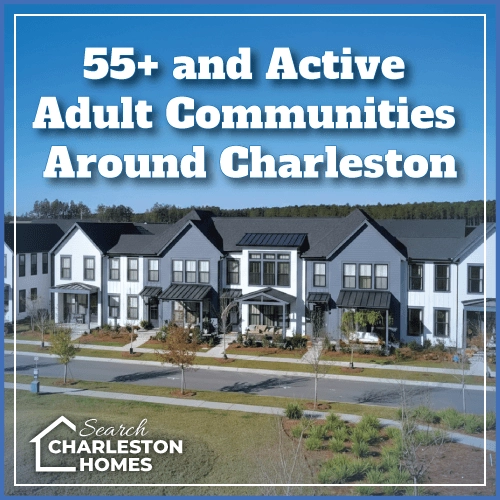
A 55+ community is a neighborhood, not a care setting. You own your home, pay HOA dues, and keep the equity when you sell. Many of these HOAs handle lawn care and some exterior upkeep, which is why rightsizers often start here.
Age limits in these neighborhoods come from the housing-for-older-persons exemption in the Fair Housing Act. To qualify, at least 80% of occupied homes need one resident 55 or older. Ask for and read the recorded covenants for any community before you buy, since each one sets its own details.
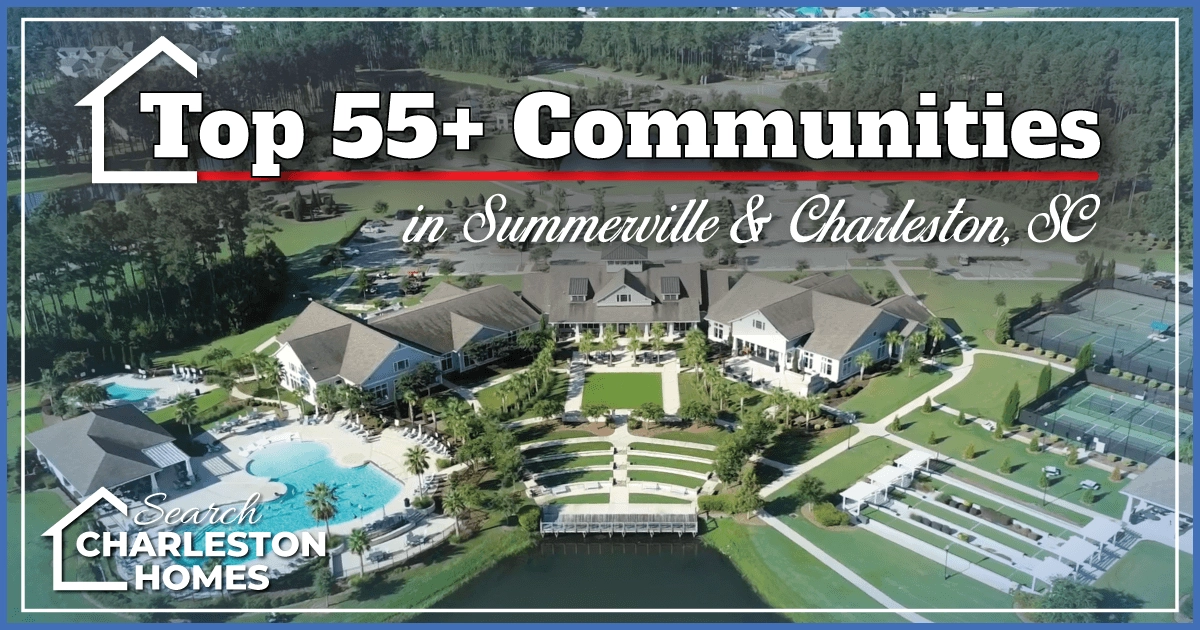
Charleston's 55+ options run from resale-only Del Webb at Cane Bay and the Elms of Charleston to newer Lennar and Del Webb sections still selling in Summerville. We compare 14 of them side by side in our 55+ Communities Guide for Summerville and Charleston, including HOA costs and which amenities are open now. You can also browse current 55+ homes for sale in Charleston.
Our goal in this conversation is never to push a move. Some people are best served by a few safety changes and staying put. Others gain time, money, and peace of mind by selling a larger home and choosing something that fits this stage of life. We call that rightsizing, because it is about gaining something, not giving up.
Answer yes or no to each question.
Two or three yes answers usually means it is a good time to gather information. Four or more usually means you are ready for a real conversation about selling, staying, or moving into senior living.
Staying is often cheaper than people expect, which is worth knowing before you decide. South Carolina's homestead exemption removes property taxes on the first $50,000 of your legal residence's fair market value once you are 65. Your primary home is also assessed at 4% instead of the 6% rate on second homes. Both have to be applied for, the homestead exemption through your county auditor and the 4% rate through your county assessor. Charleston County's tax exemptions page lists the forms and deadlines.
The costs that tend to grow are insurance, roof and HVAC replacement, and the help you hire as tasks get harder. Put those next to the monthly fee of the option you are considering, and the choice usually gets clearer. If you move to another home in South Carolina, you can apply for the homestead exemption on the new residence too.
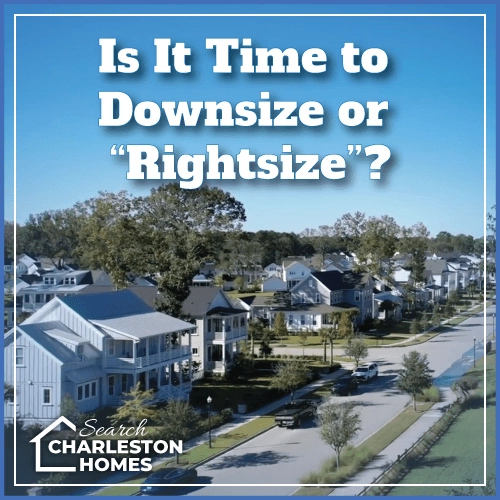
If the layout works, a few changes can make staying realistic. Grab bars and a walk-in shower handle most bathroom risks. Better lighting, sturdy railings and a ramp at the main entrance take care of the rest. If the problem is the layout itself, such as an upstairs primary bedroom, a one-story home or one of the townhomes for sale around Charleston with a first-floor primary suite is often the safer long-term answer.
For family caregivers, the Trident Area Agency on Aging also offers caregiver support and free Medicare counseling through the state health insurance program. GetCareSC is the state's searchable directory of senior services if you are not sure where to start.
For many seniors, family is the deciding factor. Being nearby means quicker help in an emergency, more visits, and less worry on both sides. Distance is only part of it, though, because your children have busy lives and you will want friends and routines of your own.
Talk through three questions as a family before you pick an area.
Healthcare usually shapes the map next. Downtown has hospitals from both MUSC Health and Roper St. Francis. Mount Pleasant, West Ashley, and Summerville each have hospitals of their own. Veterans will find the main medical center of the Ralph H. Johnson VA Health Care System downtown as well. Our Moving to Charleston guide covers each area in more depth if you are relocating from out of state.
When we help a family plan this kind of move, we start by mapping where everyone lives and works. Then we show homes or communities that keep the drive comfortable for everyone.
Once a move looks likely, the next question is how much to fix. The answer affects your net proceeds, how fast the home sells, and your stress level. Here is the order we use.
Selling as-is can make sense when the home needs major work or your health or timeline makes projects unrealistic. You still benefit from decluttering and cleaning, but you avoid contractor schedules. We walk the home with you and sort the list into must-do, should-consider and optional. Then we connect you with contractors, cleaners and organizers we trust.
Choosing among Charleston's senior living options touches your health and your family. It also involves money and decades of memories. We act as your guide and coordinator so you can make each decision at your own pace.
You do not need all the answers before you call. Reach Pheobe Lail-Chambers at 843-906-5463 or Bob Chambers at 843-296-2546. Call or text either number to schedule a complimentary Charleston Senior Next-Step Review. You can also start with our free home value page.