New - Just Now


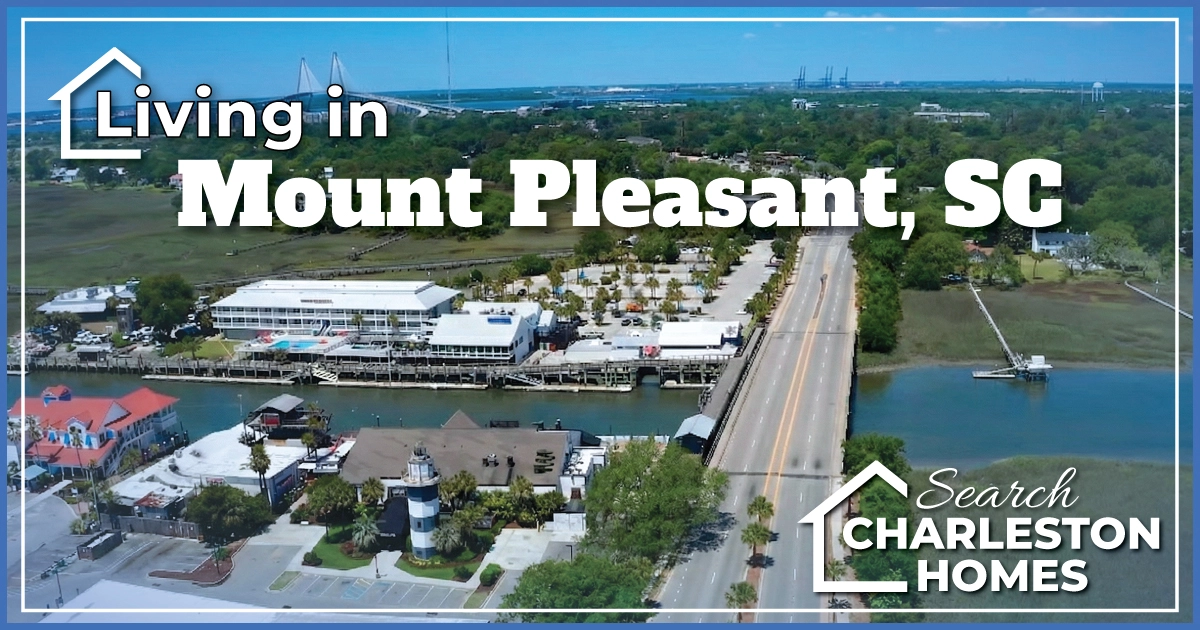
Most people who start thinking about moving to Mount Pleasant, SC are weighing the same two things. They love the idea of coastal living a few minutes from downtown Charleston and the beach. They also want to know what it actually costs and how bad the traffic really gets. I am Bob Chambers, and I help buyers sort through both sides of that question every week. This guide walks through what daily life here is really like, where the tradeoffs show up, and how to figure out if this town fits the way you want to live.
Mount Pleasant sits just across the Cooper River from the Charleston peninsula. That location is the whole story. You get marsh views and easy beach days within minutes of your driveway. You also pay for the privilege. I will not pretend the cost question is small. I would rather give you the real picture so you can make an informed decision.
Over the next few sections I will start with the part most buyers underestimate, which is how different the north and south ends of town feel. From there I get into the real numbers, the daily commute, and the schools. By the end you should have a clear sense of whether this town earns its premium for the way you live.
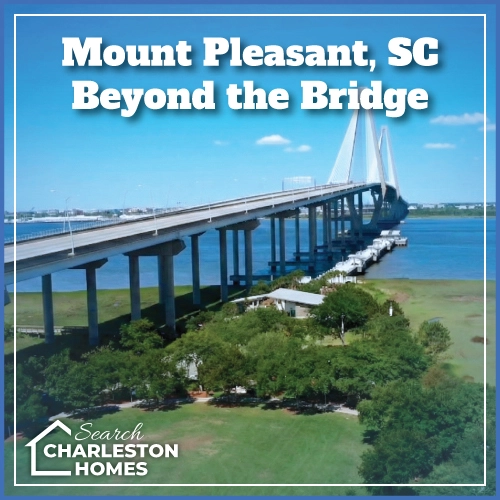
Daily life in Mount Pleasant revolves around the water. You feel it on a morning walk, on a quick boat run, and on the drive home over the marsh. The Arthur Ravenel Jr. Bridge opened in 2005 and runs about two and a half miles from town into downtown Charleston. It also gives you Wonders' Way, a wide pedestrian and bike path that locals use year round.
The social heart of town is Shem Creek. You will find waterfront restaurants along the boardwalk and kayak launches right off the water. People rent boats, keep boats, and plan weekends around the tide. One thing I notice on tours is how often buyers stop talking about square footage the moment they see the creek at sunset.
Beyond the creek you have Towne Centre for everyday shopping and a steady run of local restaurants along Coleman Boulevard. Most errands stay inside town, so you cross the bridge by choice rather than out of necessity. That self-contained feel is a big reason buyers warm to the east side of the harbor.
Patriots Point sits nearby too, home to the USS Yorktown and a marina that adds to the maritime feel of this side of the harbor. Between the creek and the bridge path, you are never far from the water in daily life.
This is also a boating town in a practical sense. Some neighborhoods include public boat ramps, and a few HOAs allow boat or trailer storage on your lot. There is even a local boat club for people who want water access without owning a vessel. If life on the water matters to you, the Mount Pleasant market gives you more real options than most areas around Charleston.
I always ask water-minded buyers how they actually plan to use a boat. Someone who wants to fish a few weekends a month is better served by a community ramp than a private dock that costs a fortune to permit and maintain. Matching the dream to the budget early saves a lot of disappointment later.
The biggest decision you will make here is north or south. The town stretches a long way up Highway 17, and the two ends feel different. South Mount Pleasant sits closer to the bridge and downtown. North Mount Pleasant gives you newer homes and more space for the money. I tell buyers to pick the side that matches their commute and their home style before they fall in love with a single listing.
South Mount Pleasant is the older, closer-in side of town. The Old Village is its historic core. You get shaded streets, the small Pitt Street shopping strip, and the Pitt Street Bridge park out over the marsh. Some homes here are genuinely old. Others are newer builds designed to match that look. Either way, you are close to the bridge and a short hop from the peninsula.
You will also find established neighborhoods like I'On, Belle Hall, and Snee Farm on this end. Mature trees and walkable layouts are part of the draw. Buyers who want the shortest path to downtown and a settled feel usually start their search here.
I'On gets the most questions of any neighborhood on this side. It was built as a walkable community with porches close to the street, small lakes, and its own club. The look is intentional, and it draws buyers who want a downtown feel without the downtown commute. I walk through the details in my full guide to living in I'On.
North Mount Pleasant is where most of the newer construction lives. Carolina Park anchors this end. It brings a Costco, newer homes, and steady amenity growth. Head a little further and you reach Park West, Dunes West with its golf and partially gated sections, and Brickyard Plantation.
Other north-side options include Rivertowne, Hamlin Plantation, and Charleston National. These neighborhoods trade bridge proximity for newer floor plans, community pools, and a bit more quiet. If you want a brand-new home, the north side is usually where you find it. I cover this end in more detail in my guides to Carolina Park and Dunes West.
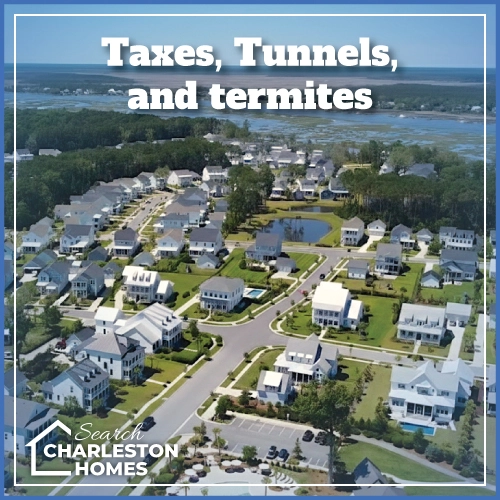
Cost is the honest tradeoff in Mount Pleasant. This is one of the pricier areas of Charleston, and the list price is only the start. Entry-level single-family homes often begin somewhere around the high six figures, and they climb quickly from there. Prices move with the market, so treat any number as a snapshot rather than a promise.
Most neighborhoods carry an HOA, and dues vary widely by community. Beyond the mortgage, a few smaller costs surprise newcomers. Mount Pleasant charges a 2% local hospitality tax on prepared food and drinks, so dining out costs a little more than the menu suggests. Lowcountry homes also tend to carry a termite bond or annual pest contract, which is a normal recurring cost in this climate.
None of these line items are deal-breakers on their own. They simply add up. When I help buyers set a budget here, I push them to look past the sticker price. We plan for dues, insurance, and upkeep so the first year holds no surprises.
The newer the home, the fewer surprises you tend to face on maintenance. Older homes in the south end can carry more character and more upkeep at the same time. I tell buyers to weigh that trade-off honestly before choosing a side of town. A lower price on an older house can disappear quickly if the roof or HVAC system is near the end of its life.






Living near the water means flood risk is part of the math. Much of Mount Pleasant sits on high, dry ground, but low-lying areas near Shem Creek and the marsh fall into higher-risk flood zones. Your zone affects your insurance cost, sometimes by a lot.
Homes in an X zone usually carry modest premiums, and flood insurance is often optional there. Homes in an AE or higher zone face larger premiums, and flood insurance is required if you have a federally backed mortgage. The difference can change your monthly payment, so it should be part of your decision early.
Before you write an offer, look up the property on the FEMA Flood Map Service Center and ask about an Elevation Certificate. A home built well above the base flood elevation can cost much less to insure than a neighbor down the street. I always tell buyers to get the flood picture before they get attached to a house.
Traffic is the complaint you will hear most, and it is fair. Highway 17 is the spine of town, Highway 41 feeds the north side, and I-526 ties you into West Ashley and North Charleston. During rush hour, the bridge and Highway 17 back up as everyone heads the same direction at the same time.
Here is the part most guides skip. The heavy flow runs downtown in the morning and back to Mount Pleasant in the evening. If your schedule lets you drive against that flow, the commute is far easier. Off-peak, downtown is roughly 15 minutes away over the bridge. You can check live conditions on 511 South Carolina before you head out.
The question I hear most about commuting is simple. Where do you actually need to be each day? A buyer who works downtown should weigh the south side hard. A buyer who works from home or up near I-526 can enjoy the north side without the bridge stress. Match the neighborhood to your real week, not the worst-case traffic story.
Schools drive a lot of moves to Mount Pleasant, and the town is served by the Charleston County School District. High schools serving parts of town include Wando High School, one of the largest in the state, along with Lucy Beckham High School and the Oceanside Collegiate Academy charter school. Philip Simmons serves families on the growing north and Cainhoy side.
Attendance zones matter more than reputation here. The school that serves one street may differ from the one a mile away, and zones change as the area grows. Before you commit to a neighborhood based on a specific school, confirm the current zone with the Charleston County School District. I help buyers line up that check early so a school surprise does not derail a contract.
Morning drop-off is a consideration on its own on the school front. The roads near the larger schools fill up around 8 a.m. on weekdays, and that traffic adds to the already heavy bridge commute. If you have school-age children, drive the route during a real school morning before you settle on a neighborhood. It tells you more than any map can.
Mount Pleasant has grown fast, and some longtime residents miss the smaller-town feel. You may also hear the nickname "Mount Plastic," a jab at how much of the town is newer and master-planned. I think that reputation misses what the newer design actually offers. You get consistent build quality, planned amenities, and HOA standards that protect resale value over time.
The town has worked to slow the pace. Mount Pleasant runs a building permit allocation system that caps the number of new residential permits issued each year and limits how many any single builder can pull. There has also been a long-running moratorium on new apartments and condos. The rules shift over time, so check the current limits with the Town of Mount Pleasant.
For buyers, this matters in a practical way. Limited new construction is one reason established neighborhoods hold their value here. It also means true new-build inventory is concentrated in a few north-side communities like Carolina Park, which sits under its own development agreement. If a brand-new home is the goal, your search narrows quickly, and that is worth knowing up front.
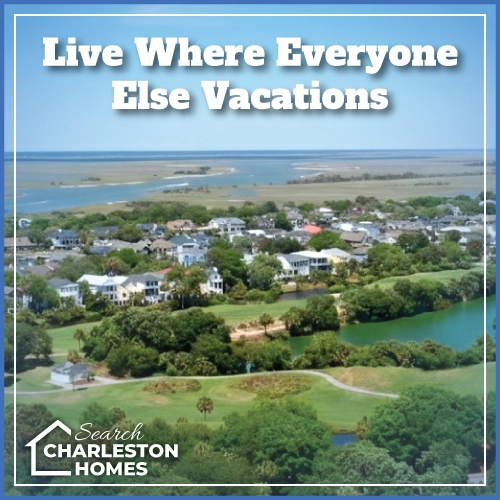
One of the best parts of living here is that the beach is a quick drive, not a road trip. Sullivan's Island and Isle of Palms are both about 10 to 15 minutes away. The catch is that you live where other people vacation, so summer weekends bring crowds and a real parking challenge.
The two beaches solve that challenge differently. Sullivan's Island relies on limited street parking that fills early, which suits people who can arrive at off hours. Isle of Palms has a Charleston County Park section that makes family beach days far easier. You get a paid lot with showers and a playground in one spot. Folly Beach is an option too, though it is a longer drive south.
My advice to year-round residents is to treat the beach like a local, not a tourist. Go early on weekday mornings, learn which lots fill first, and save the holiday weekends for the pool or the creek. The access is a gift once you stop fighting the crowds for it.
Moving to Mount Pleasant comes down to a clear trade. You pay more and you plan around traffic. In return you get coastal living minutes from Charleston, easy beach access, and a real choice of neighborhoods. If that trade sounds right, the next step is to narrow it down to north versus south. From there you line up your budget, your commute, and your flood zone before you tour.
I would be glad to help you sort through it with a clear head. Call or text me, Bob Chambers, at 843-296-2546. We can talk through which side of town and which neighborhoods fit your plans. You can also reach me through my contact page whenever you are ready to start your search.