New - Just Now




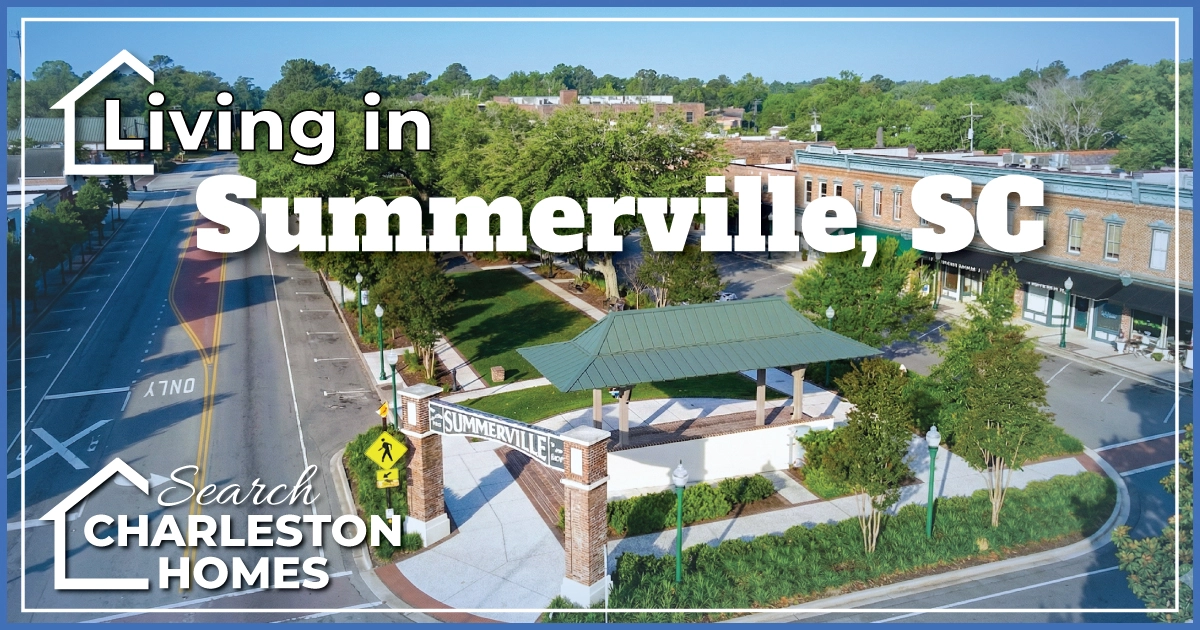
If you are thinking about moving to Summerville SC, you are probably picturing a quieter version of Charleston with the same Lowcountry feel and a shorter price tag. That picture is close, but it misses the most important part. Summerville is its own settled town with its own rhythm, and the people who love it here are the ones who came for that rhythm, not for a back door into downtown Charleston. I have walked many buyers through this market, and the ones who end up happiest understand that difference before they sign anything.
This is a town built on pine ridges and spring azaleas, sitting about 25 miles northwest of the Charleston peninsula. It gives you space, newer homes, and a real sense of community. It also asks you to accept some real tradeoffs around commuting, taxes, and the cost of newer neighborhoods. I want to walk you through all of it the way I would on a tour, so you can decide if this is your place.
The biggest mismatch I see comes down to one idea. People think they are moving to Charleston, and they are actually moving to Summerville. Those are two different kinds of life. Charleston is event life. You walk to dinner, you bump into things happening, the city comes to you. Summerville is routine life. You build a comfortable week around home and a short list of favorite local spots.
Neither one is better. They just fit different people. I usually tell buyers to be honest with themselves about how often they will really drive into the city after the novelty wears off. If your weekends are mostly home projects and dinner with neighbors, Summerville fits you beautifully. If you want to be in the middle of the action several nights a week, you may feel the distance more than you expect.
Once buyers settle in, most tell me the slower pace is what they've come to love. The trick is choosing it on purpose. Some buyers weighing Summerville also tour planned communities closer to the city, like I'On in Mount Pleasant or Carolina Bay in West Ashley, before deciding how far out they really want to be. You can learn more about Summerville on our Summerville homes page, and the town's own visitor guide gives you a good feel for the local calendar.
Summerville started as a summer refuge. Lowcountry plantation families moved up to the pine ridges to escape the heat and mosquitoes closer to the coast. The early settlement was known as Pineland Village, and the town was incorporated in 1847. People believed the pine air was healthier, so the high ground filled with summer homes.
The nickname Flowertown in the Pines came later, from the wild azaleas that light up the town every spring. Summerville also lays claim to being the birthplace of sweet tea, which locals will happily remind you of. These are small details, but they tell you something. This is a town with deep roots and a strong sense of itself, not a brand-new bedroom community that sprang up overnight.
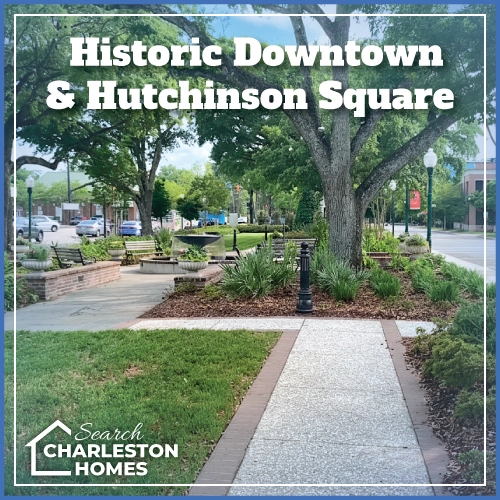
The heart of town is Hutchinson Square, a small green space ringed by shops and restaurants. Nearby you will find Guerin's Pharmacy, the oldest pharmacy in South Carolina, still serving fountain drinks at the counter. A few blocks away, Azalea Park turns into a sea of color in spring and hosts the Flowertown Festival during the first week of April.
I like taking buyers downtown early in a tour. It resets expectations in a good way. You see the farmers market, the old storefronts, and people who clearly know each other. It feels like a real town center, which is harder to find than you would think. If a walkable, historic core matters to you, downtown Summerville delivers it without the crowds and parking stress of the peninsula.
Here is the part that confuses almost everyone. Summerville sits across portions of three counties. Most of the town is in Dorchester County, but it also extends into Berkeley and Charleston Counties. So two homes a few miles apart can sit in different counties, with different tax bills and different school assignments.
This is why I always ask buyers which Summerville they actually want. The county where your address is located affects your property tax rate and which district provides your services. Dorchester and Berkeley use different millage rates, and the gap can mean a few hundred dollars a year on a similar home. I never quote exact figures from memory because rates change, but it is real money over time. The town of Summerville confirms the three-county footprint, and I always verify the specific county before we talk numbers.
Schools follow the same pattern. Much of Summerville falls within Dorchester District Two, which has a strong reputation and a lot of demand. That demand creates crowding, and rapid growth means attendance lines are redrawn from time to time. Newer communities near Cane Bay, Nexton, and Carnes Crossroads often sit in Berkeley County and fall under the Berkeley County School District. I never label a school good or bad, and I always tell buyers to confirm current zoning directly with the district before they fall in love with a house.
If you want to study the boundaries before you shop, you can start with our county pages for Dorchester County and Berkeley County. There is also a Charleston County page for the homes that fall on that side of the line.
Once you understand the county map, the next real decision is lifestyle. Summerville gives you three broad styles of living, and they feel very different day to day.
The first is the historic and established side near downtown. You get older homes, mature trees, and bigger lots in some pockets. The second is the master-planned side, which is where most of the new construction is happening. Nexton leads the way as a walkable, mixed-use community with its own town center. It has restaurants like Halls Chophouse and a Del Webb section for buyers 55 and up. Cane Bay Plantation built its identity around lakes and golf carts. You will also hear about Carnes Crossroads, The Ponds, and Summers Corner.
I want to be honest about the master-planned tradeoff. The homes are new and the amenities are excellent, but lots are often smaller and the houses sit closer together than people expect. There are also HOA rules covering paint colors, fences, and parking. Some buyers love that everything stays tidy. Others feel boxed in after a year. I always walk the actual street, not just the model home, so you can feel the spacing before you commit.
The third style is the golf-cart culture, and it is real here. In communities like Cane Bay, people genuinely run errands and head to the pool by cart. It changes the feel of a neighborhood in a way that is hard to describe until you see kids and parents rolling down the path on a Friday evening. If you want a true new-build experience, our new construction page and 55-plus communities page are good next stops.
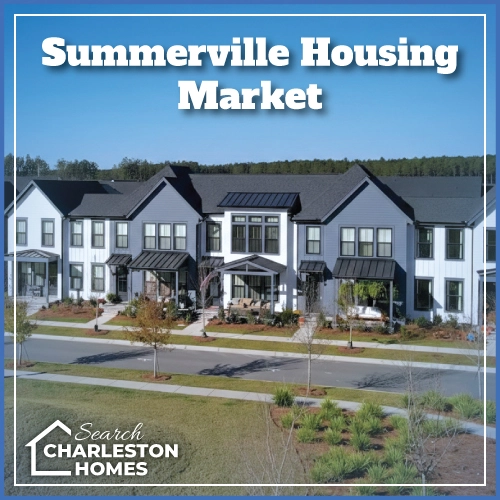
Summerville still carries a reputation as the affordable choice in the Charleston metro. The sticker price often is lower than comparable homes closer to the water. The full monthly cost can surprise you, though, and I would rather you hear it from me now than feel it later.
In many master-planned communities, you are not just paying a mortgage. You may have HOA dues plus special district or improvement taxes layered on top. In some neighborhoods those extra line items can add well over a thousand dollars a year combined. Add Lowcountry insurance, and the real monthly number climbs above the listing price.
Insurance deserves its own mention. Parts of the area are in flood zones, and the region is exposed to hurricanes and tropical storms. Flood insurance and wind coverage can significantly shift your budget. I always tell buyers to pull the FEMA flood map for a specific address and get an insurance quote before they get attached. When we sit down and build a real monthly figure together, the picture gets clear fast, and it keeps you from overextending on a home that looked cheaper on paper.


Commuting is the single most common complaint I hear, and it deserves to be taken seriously. Summerville funnels most of its traffic onto Interstate 26, and there are only so many ways in and out. Off peak, the drive to downtown Charleston runs around 25 to 30 minutes. During rush hour, that same drive can stretch to 45 minutes or an hour, and a single accident on I-26 can wreck the whole morning.
Your commute also depends heavily on which community you choose. A home near downtown Summerville behaves very differently from one out in Nexton or Cane Bay. If you work toward Volvo near Ridgeville, the newer communities are actually well placed. If you work on the peninsula every day, think hard about how the I-26 reality will feel after a few months. The state's 511 SC traffic site is a good way to check live conditions before you tour during rush hour.
Beach days take planning too. Charleston International Airport sits about 16 miles away, which is handy for travel. The beaches are farther. A trip to Folly Beach or Isle of Palms is a real outing, not a quick hop, especially on a summer weekend. Most families I work with treat the beach as a planned day rather than an after-work stop.
Summerville is not standing still. The area lies within a growing band of major employers, and several major projects are reshaping it right now. Volvo built its first American car plant near Ridgeville, investing more than a billion dollars. Boeing's Dreamliner operation anchors North Charleston, and the Port of Charleston keeps the whole region's logistics economy busy.
Two newer developments matter for daily life. MUSC is building the MUSC Health Nexton Medical Center, which broke ground in September 2025. Plans call for a cancer facility opening in 2027 and a full hospital in 2028, which is a big deal for healthcare access on this side of the metro. Google also announced a roughly nine billion dollar investment in South Carolina data centers in late 2025, with expansion in Berkeley and Dorchester counties. That growth brings jobs, and it also sparks real local debate about water and power demand, which is worth keeping in mind. The strong internet and infrastructure here have made the area a comfortable base for remote workers as well.
The climate is a genuine selling point year-round, with mild winters and long, warm seasons. Summers are the price of admission. Expect upper nineties and thick humidity from June through August, the kind that fogs your sunglasses when you step outside.
New residents are often caught off guard by the wildlife and the lawns. Palmetto bugs are large and they fly, fire ants build mounds fast, and the sandy coastal soil behaves differently than what most transplants are used to. Many yards here use centipede or zoysia grass rather than northern varieties. I tell first-year homeowners to budget a little patience for the learning curve, because the yard will not behave like the one you left behind.
Moving to Summerville SC works best when you want a settled, community-centered life with newer homes and room to breathe, and you are at peace with not living in the middle of Charleston. The decision really comes down to three things. Pick the rhythm that fits you. Pick the county and community that match your budget and schools. Then build a real monthly number before you fall for a house.
I have helped a lot of people make this exact move, and the happy ones all had clear eyes going in. If you want a straight, local read on which part of Summerville fits your life, I am glad to help. Call or text me, Bob Chambers, at 843-296-2546 any time, or reach me through our contact page. You can also learn a little more about how I work with buyers before we ever set foot in a house.