$175,000
Active Under Contract
--
Beds
--
Baths
--
Sqft
0.21
Acres
1501 Balsam St, Charleston, SC 29407
MLS#: 26023851



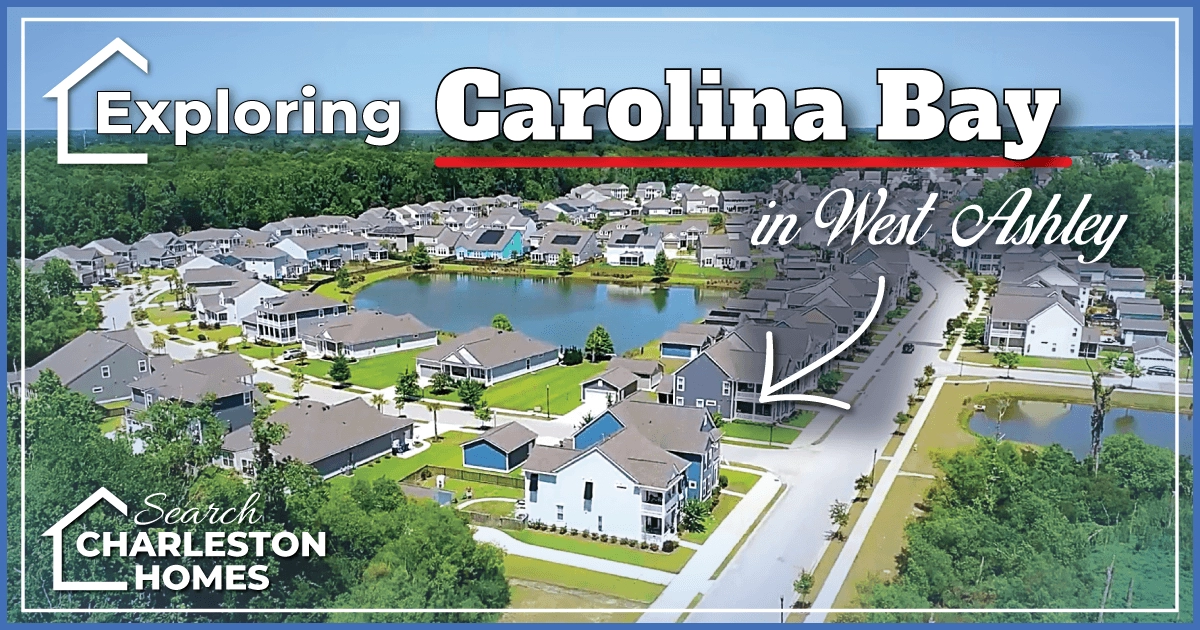
A 1950s brick ranch in Byrnes Downs and a new build in Carolina Bay can be eight minutes apart and several hundred thousand dollars apart, and both are West Ashley. That range is the first thing to understand about this part of Charleston. It is why one buyer falls in love with the area on the first tour and another leaves confused about what they just saw.
Our team at Search Charleston Homes works this market every week, and we can tell you which end of that range fits what you are after. West Ashley is home to roughly 72,400 residents, according to the City of Charleston’s 2026 population estimates, and homes in Carolina Bay alone have an average median list price of nearly $627,000, based on our own active listing data. Those two numbers explain that this is a large area with wide price spread inside it.
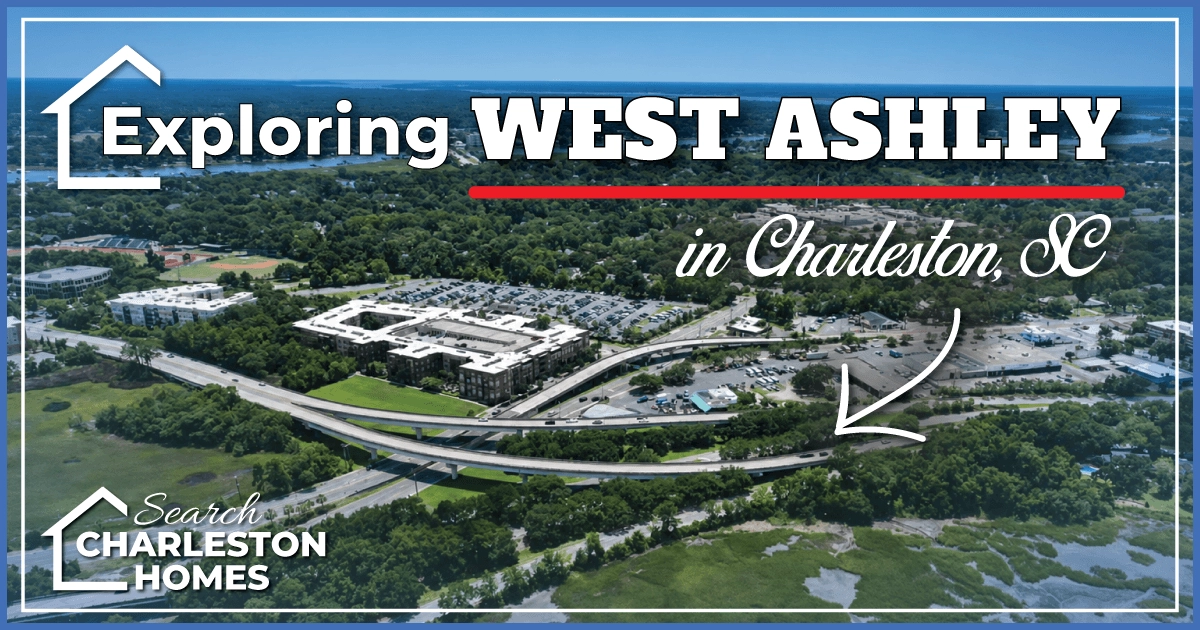
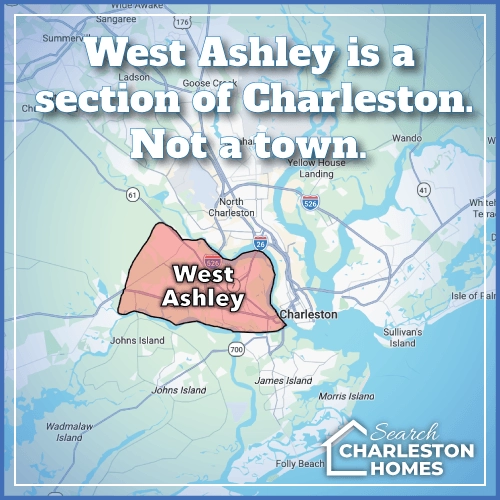 Despite its name, West Ashley is a section of the City of Charleston, not a separate town. It runs west from the Ashley River along Highway 17 and Ashley River Road, bounded by the Ashley on one side and the Stono River on the other. Most of it falls into two zip codes. 29407 covers the older closer-in half and 29414 covers the newer western half out toward Bees Ferry Road.
The appeal comes down to position. You can reach downtown in about ten to fifteen minutes outside of rush hour, Folly Beach in about twenty-five, and the airport in roughly twenty. You get that access without peninsula pricing. West Ashley also has its own grocery stores and hospitals, so most daily errands do not require crossing a bridge.
The catch is that West Ashley is not consistent from one end to the other. The neighborhoods closest to the river went up in the 1940s and 1950s and feel like established in-town Charleston. Drive fifteen minutes west, and you are in subdivisions built in the last twenty years. Picking which end of that spectrum you want is the most useful thing you can do before you start touring.
Rather than listing every subdivision alphabetically, here is how we group West Ashley for buyers, based on home age and drive time downtown. You can also browse every Charleston-area neighborhood if you are weighing other parts of the region.
This table covers the neighborhoods buyers ask us about most. Drive times are approximate and assume you are not caught in rush-hour traffic. The last column indicates whether the city includes a neighborhood within the Church Creek Drainage Basin, as explained further below.
| Neighborhood | Homes mostly built | Approx. drive downtown | Church Creek basin |
|---|---|---|---|
| Byrnes Downs | 1940s | 10 min | No |
| Avondale | 1940s to 1950s | 10 min | No |
| The Crescent | 1920s to 1950s | 10 min | No |
| Edgewater Park | 1950s to 1960s | 12 min | No |
| Shadowmoss | 1970s to 2000s | 20 min | Yes |
| Village Green | 1980s to 1990s | 20 min | Yes |
| Grand Oaks Plantation | 2000s to 2010s | 20 min | Yes |
| Hunt Club | 1990s to 2000s | 20 min | No |
| Schieveling Plantation | 2000s | 18 min | No |
| Carolina Bay | 2006 to present | 18 min | No |
| Bolton's Landing | 2000s | 22 min | No |
One caution on that last column. A No means the city does not list the neighborhood in the Church Creek basin. It does not mean the property has no flood risk. Marsh-front and river-front homes closer to the water carry their own tidal exposure, and flood zones are set by address rather than by subdivision. Check every specific address on the FEMA map to be sure.
These are just over the bridges, mostly built between the 1940s and 1960s, with mature trees and smaller lots. Byrnes Downs is one of the oldest. Charleston County’s historical and architectural survey puts most of its construction between 1942 and 1945, and the neighborhood association notes the garden club planted more than 100 oak trees in the years after. Many of those oaks still shade the streets. It is a walkable grid of compact brick homes right next to the Avondale shops and restaurants. Avondale covers the surrounding streets and has become one of the more sought-after pockets in West Ashley for that reason.
A few others in the same vintage are worth a look:
Buyers who pick these neighborhoods are usually trading square footage for location. Many of these homes still need updating. We tell people to budget for an inspection with a licensed contractor, because original systems in a 1955 house tend to need extra knowledge.
Shadowmoss wraps around a public golf course off Highway 61 and holds a wide range of home styles, from patio homes to larger custom builds. The nearby Village Green has a similar 1980s and 1990s feel.
Closer in, South Windermere and Windermere stay in demand year after year. Both are walkable to the South Windermere Shopping Center and only minutes from the bridge. Inventory in either one tends to move quickly. I have watched well-priced homes there go under contract in a weekend.
Carolina Bay is the best-known of the newer communities. It was laid out with sidewalks and pocket parks around neighborhood pools. That draws a lot of relocating buyers who want a newer home without driving all the way to Summerville. Pricing there lands toward the upper end of the West Ashley market.
Grand Oaks Plantation and Hunt Club offer a similar, newer feel with more varied pricing. Schieveling Plantation is a smaller enclave with larger lots. Farther west, communities such as Boltons Landing and Providence Commons give you more house per dollar in exchange for a longer drive downtown. Church Creek Landing and MacLaura Hall fall into that same western group.
If Carolina Bay is on your list, we covered it in depth in our guide to living in Carolina Bay.
Long Savannah is the largest project reshaping West Ashley right now, a master-planned development off Bees Ferry Road. The development agreement with the City of Charleston caps the project at 4,500 residential units, making it one of the largest projects the area has approved. Construction is underway, with Mungo Homes and other builders releasing early phases.
This cuts both ways for buyers. It brings real new-construction inventory to an area that has not had much of it in years. It also means traffic on Bees Ferry Road will get heavier over the next decade, so weigh that against any purchase in that corridor.
Pricing here varies more by neighborhood than almost anywhere else around Charleston, which is why a single median number does not help you much. The general pattern holds up well, though.
When a West Ashley listing comes in unusually low for its street, there is almost always a reason. Sometimes it is condition. Sometimes it is an aging HVAC or roof. Often it is drainage, which is worth a section of its own, covered below.
Because inventory shifts month to month, we would rather pull current numbers for the specific neighborhoods you are weighing than print a figure here that goes stale. Every neighborhood page linked above shows live listings and current pricing.


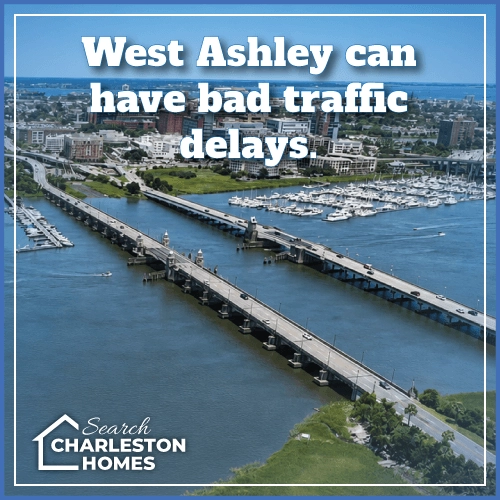 Traffic is the complaint we hear most about West Ashley, and it is a fair one. Highway 17 and Highway 61 both funnel into a limited number of bridges to reach the peninsula. During morning and evening peaks, which cause backups, a ten-minute drive downtown can stretch to thirty minutes.
Where you land inside West Ashley changes this a lot. Neighborhoods near the bridges get downtown quickly even in traffic because they are already past most of the congestion. Byrnes Downs, Avondale, and South Windermere all fall into that group. Homes out toward Bees Ferry and the Highway 61 corridor have a longer run and take the backups head on. If you commute downtown or to MUSC, that gap shows up in your day every single morning.
There are workarounds. The West Ashley Greenway and Bikeway run for miles along an old rail corridor and work for actual bike commuting into the city, not just weekend rides. Several buyers we have worked with chose a home near the Greenway specifically so they could ride in a few days a week. That option is about to get better. The city is building the Ashley River Crossing, a bicycle and pedestrian bridge that will tie the Greenway directly into Brittlebank Park and the Ashley River Walk downtown.
This is the section most West Ashley guides skip, and it is the one buyers need most. Parts of West Ashley do flood, and the risk is specific to location rather than general to the area.
 The most documented problem area is the Church Creek Drainage Basin, which the City of Charleston has studied and worked on for years. The city identifies these neighborhoods as falling within that basin:
Being in the basin does not mean a given house floods. It means that particular property deserves a closer look before you write an offer.
The city has taken action here. After repeated flooding at the Bridgepointe Townhomes site, the city bought the property and converted the land into a park and stormwater management area rather than allowing it to be rebuilt. That is worth knowing because it shows the drainage problems are being addressed rather than ignored.
Before you write an offer anywhere in West Ashley, do three things. Pull the address on the FEMA Flood Map Service Center. Ask the seller for the flood zone designation and any elevation certificate. Then get a flood insurance quote early rather than after you are under contract. Premiums swing widely by zone and elevation, and that number belongs in your budget from day one.
West Ashley is served by the Charleston County School District. Zoning is drawn by address and changes periodically, so the only reliable way to know which schools a home feeds into is the district’s school lookup tool. Do not rely on a listing description or a neighborhood reputation for this.
On the high school side, West Ashley High School earned an Excellent rating on the state report card in the most recent South Carolina school report card release. The area also has magnet and charter options, including Orange Grove Charter School, which uses separate application timelines from zoned schools. If a specific program matters to your family, look up its application window before you plan your move. We have seen families time a closing perfectly and still miss a deadline they did not know existed, several months before the school year.
 Citadel Mall is in the middle of the area’s most notable recent change. MUSC acquired a large portion of the property for $83.5 million in December 2025 and is converting it into a medical campus branded as the Epic Center. The plan takes over the vacant anchor space along with a good share of the interior mall, while the remaining retail stores own their own buildings and stay put. For anyone buying nearby, that turns a fading mall into a working medical and employment center minutes from most of the area.
Pediatric care improved as well. MUSC Children’s Health and Roper St. Francis Healthcare launched a pediatric partnership that brought dedicated pediatric emergency care to the Roper St. Francis campus on Calhoun Street. Families moving here with young kids ask about this more than almost anything else, and having that closer than a peninsula-only option makes a practical difference.
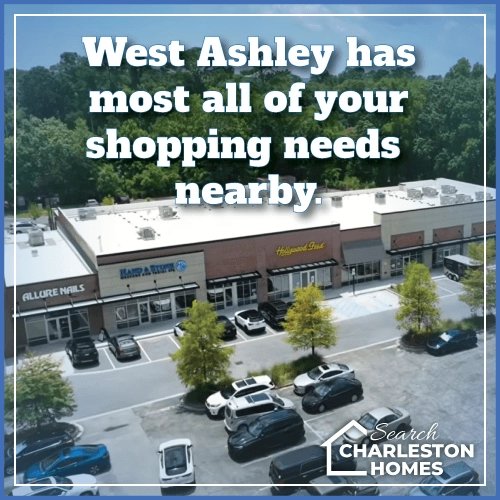
Day to day, West Ashley is well covered. Grocery options line Highway 17 and Sam Rittenberg Boulevard. The Avondale strip handles restaurants and bars. South Windermere covers everyday errands, and there is enough big-box retail that most trips stay inside the area.
The West Ashley Greenway is the backbone of outdoor life here. It follows a former rail line for about eight miles from South Windermere out toward Johns Island. People use it for walking and running as much as for bike commuting, and the city has an active plan to keep improving it.
West Ashley Park covers roughly 260 acres off Higgins Pitt Road. It holds trails and playing fields along with the Fire Swamp disc golf course. Charles Towne Landing marks the site of the first permanent English settlement in the Carolinas. It operates as a state historic site with gardens and an animal forest, and locals treat it as much a park as a historical stop.
Ashley River Road leads out to the historic plantation sites at Drayton Hall and Magnolia Plantation, along with Middleton Place. All three are open to visitors, and their interpretation includes the history of the enslaved people who lived and worked on those properties.
Two smaller details tell you something about the place. Avondale has quietly rebuilt itself over the past decade, with old commercial buildings along the strip converted into new restaurant and retail space, most recently The Victory. And at the St. Andrews Shopping Center, the Coburg Cow has been turning on its pole since 1959. When a hurricane is coming, the city takes down the cow. When it goes back up, everyone knows the storm has passed.
West Ashley works best for buyers who want genuine proximity to downtown Charleston without peninsula prices, and who are willing to get specific about which part of it they buy in. In our experience the difference between a great West Ashley purchase and a frustrating one comes down to three things you can figure out ahead of time. 1. How far you are from the bridges. 2. Where the property falls relative to drainage. 3. Whether the age of the home matches your appetite for maintenance.
Still comparing areas? Our guides to moving to Charleston and Mount Pleasant cover the two closest alternatives, and Summerville is worth a read if more house per dollar is the priority.
When you are ready to walk specific neighborhoods or want current pricing on anything mentioned here, call Team Lail-Chambers at Search Charleston Homes at 843-296-2546. If you also need to sell before you buy, our home-selling page walks you through how we price and market a listing. We are glad to talk through the tradeoffs before you start touring, which is usually when that conversation is most valuable.
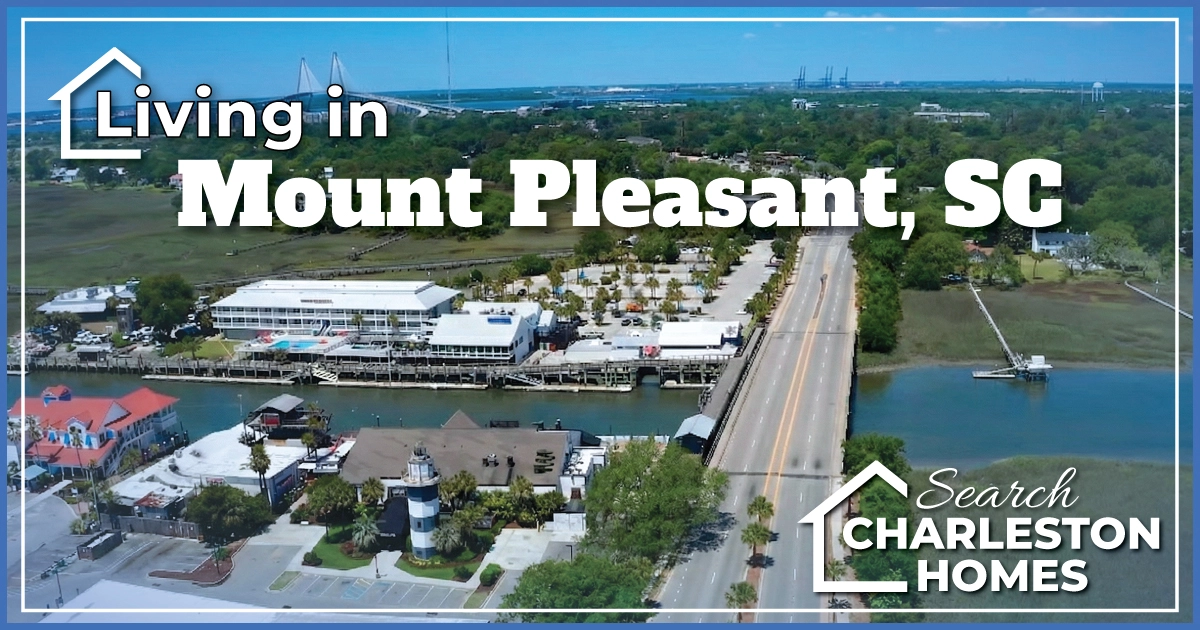
Most people who start thinking about moving to Mount Pleasant, SC are weighing the same two things. They love the idea of coastal living a few minutes from downtown Charleston and the beach. They also want to know what it actually costs and how bad the traffic really gets. I am Bob Chambers, and I help buyers sort through both sides of that question every week. This guide walks through what daily
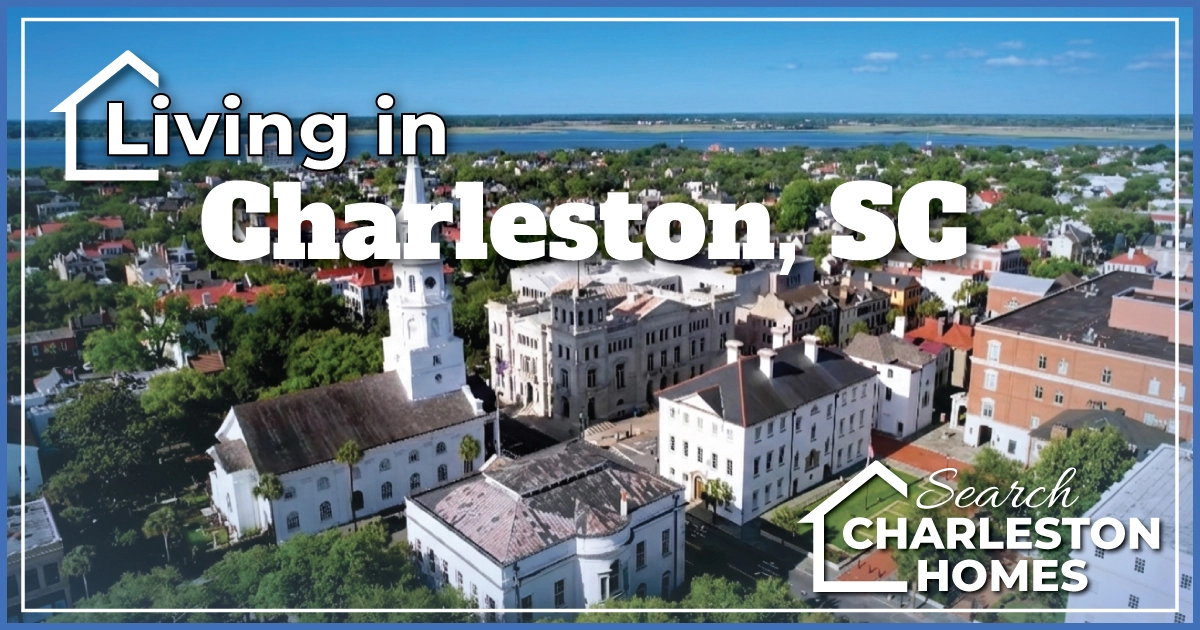
When most people start moving to Charleston, SC, they picture one place. They picture the peninsula, the church steeples, and the horse carriages downtown. The real decision is rarely about the city itself. It is about which part of the Charleston area fits your week. That choice shapes your commute and your home budget. It also shapes your flood risk and how much you actually enjoy living here.
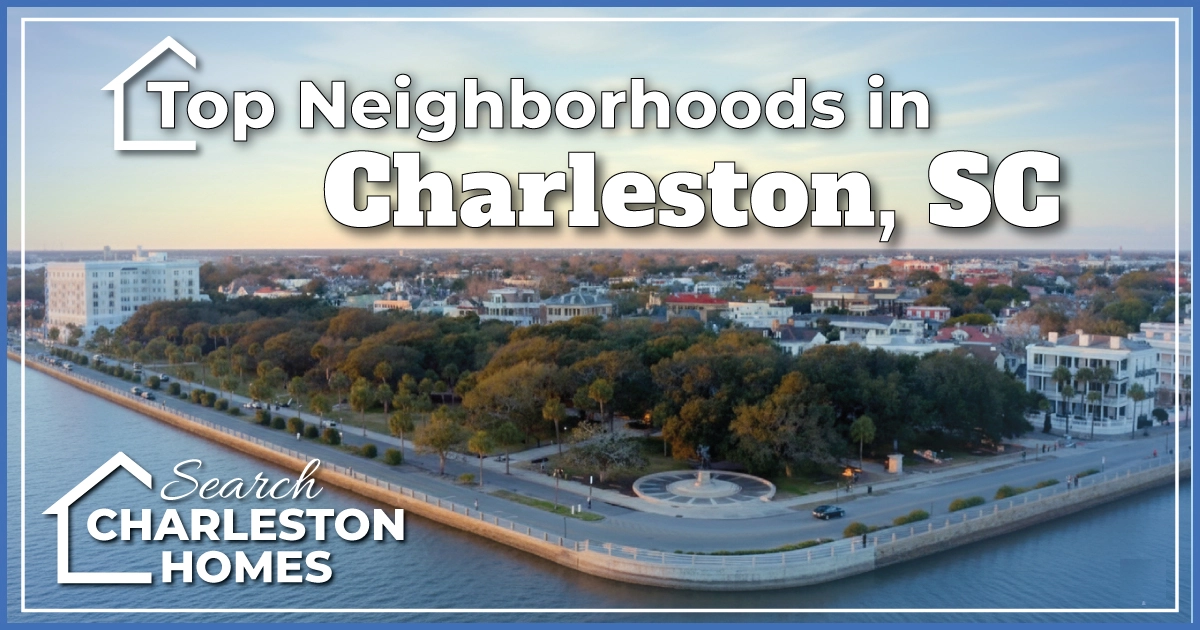
Finding a home in the Lowcountry is an exciting process. Most guides tell you to visit the same three tourist spots. We want to look at things differently today. Real locals care about more than just a pretty view. You need to know how the streets actually function on a Tuesday morning. This search requires a street-smart approach to the local market. We will focus on the details that truly matte
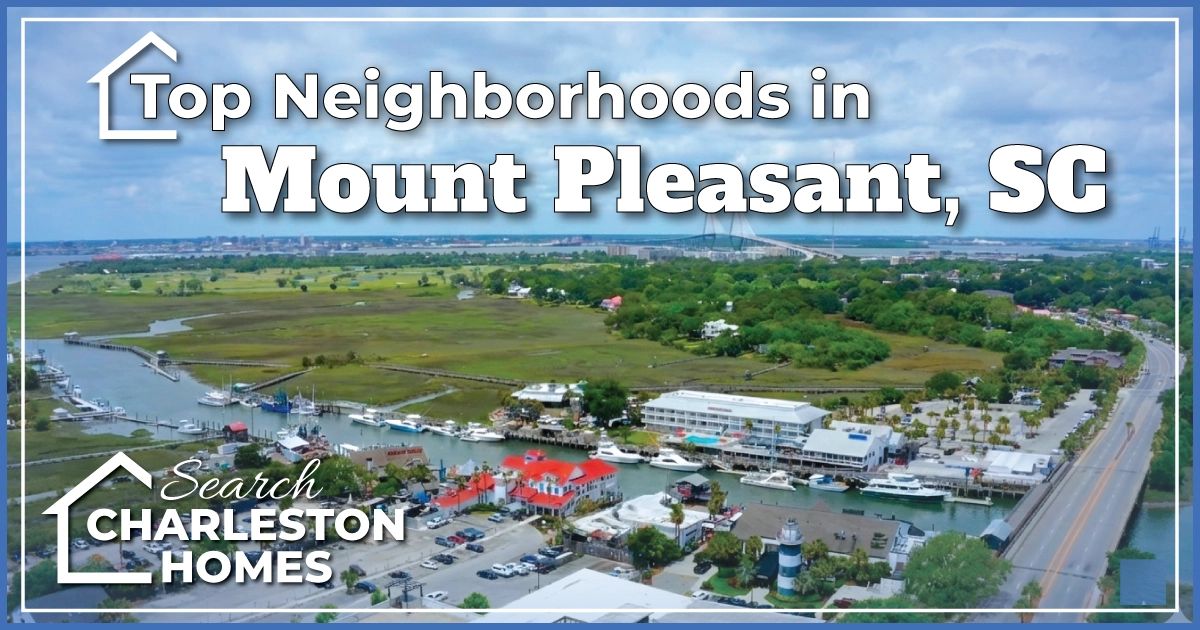
Mount Pleasant is an incredibly popular real estate destination. Buyers from across the country target this exact spot when they relocate, dreaming of the coastal lifestyle. They also want to avoid downtown peninsula traffic.The local geography completely dictates the housing market. This area sits directly between the Cooper River and the Atlantic Ocean. You can drive from most neighborhoods to